Pre-Intermediate (A2) • 4 Chapters • 4 min read • 1 reads

The Case of the Dockyard Telegraph Code

Learn English with Sherlock Holmes Mystery Stories — Pre-Intermediate (A2)

Chapter 1 of 4 The Strange Telegram

London was cold and very foggy on a dark Tuesday night. Dr. John Watson was sitting by the warm fireplace in Baker Street. While he was reading a book, Sherlock Holmes suddenly stood up. A loud knock came at the heavy wooden front door because a visitor was waiting outside in the dark street.
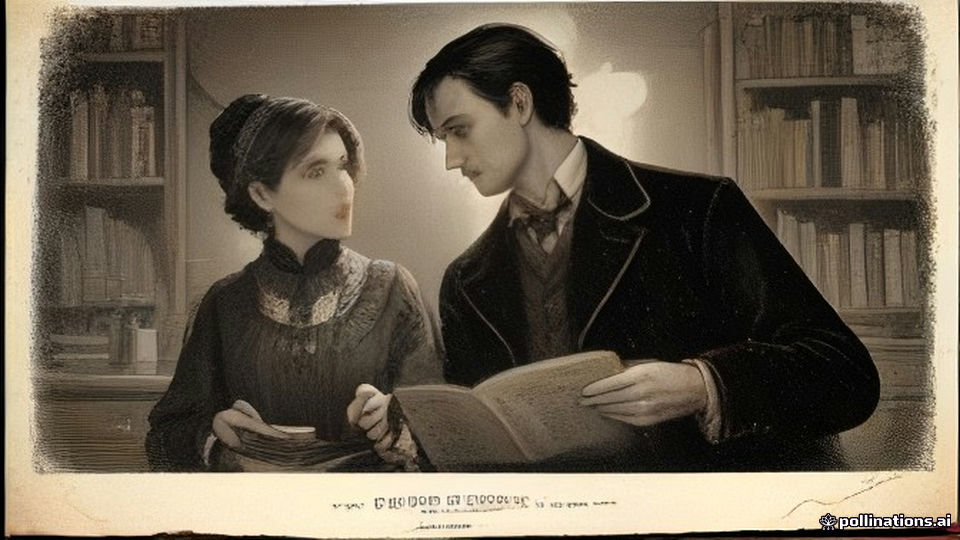
The Strange Telegram
Scene Illustration: The Strange Telegram

A young man named Mr. Arthur walked quickly into the warm room. He looked very worried and tired. He handed a small piece of paper to Holmes. It was a coded telegraph message from the Thames dockyard. Arthur explained that his business partner disappeared near the river while a thick fog was covering the old warehouses.

Chapter 2 of 4 Journey to the River

Holmes and Watson put on their heavy coats immediately and walked out into the cold night. They took a horse carriage because the docks were far away across the city. While the carriage was moving through the dark streets, Holmes examined the strange telegraph paper under a small yellow light. The message contained numbers and letters that did not make normal sense.

When they finally arrived at the Thames dockyard, the heavy fog made everything look grey and quiet. Large wooden ships were resting silently against the dark water. The workers had all gone home, but a single yellow lamp was burning brightly near warehouse number four by the edge of the river.

Chapter 3 of 4 The Broken Pocket Watch

Holmes and Watson walked carefully toward warehouse number four. The heavy wooden door was open, so they went inside to look around. While Watson was holding the small lamp, Holmes searched the dusty floor near a wooden desk. Suddenly, he found a shiny silver pocket watch lying near some rope.

Holmes picked up the heavy watch and looked closely at its glass face. It was completely broken, and the small metal hands were not moving at all. Holmes smiled because the watch gave him a very important clue. The metal hands were frozen perfectly in place at exactly eleven forty-two in the night.

Chapter 4 of 4 The Secret Revealed

Holmes compared the stopped time on the watch with the numbers in the coded telegraph message. He realized the numbers matched the time of a secret meeting at the docks. While the police waited outside, Holmes explained that the missing partner was hiding in the next room because he was afraid of dangerous thieves.

They opened the side door and found the missing man safe and well. The man thanked Holmes and Watson for their quick help. As they walked back to Baker Street, the thick London fog was finally clearing away, and the bright morning stars were shining above the quiet river.

Detective's Deduction: Attention to small details and careful observation can solve even the most confusing mysteries.

Key Vocabulary & English Definitions

foggy
adjective

Meaning: filled with thick mist or low clouds that make it hard to see

Synonyms: misty, hazy

"London was cold and very foggy on a dark Tuesday night."

telegraph
noun

Meaning: a system for sending messages over long distances using electrical wires

Synonyms: wire, telegram

"It was a coded telegraph message from the Thames dockyard."

partner
noun

Meaning: a person who shares a business or work with someone else

Synonyms: associate, colleague

"Arthur explained that his business partner disappeared near the river."

warehouse
noun

Meaning: a large building where raw materials or manufactured goods may be stored

Synonyms: depot, storehouse

"The workers had all gone home, but a single yellow lamp was burning near warehouse number four."

frozen
adjective

Meaning: turned into ice or stopped completely in place

Synonyms: stuck, immobile

"The metal hands were frozen perfectly in place at exactly eleven forty-two."

clue
noun

Meaning: an object or piece of information that helps solve a mystery or problem

Synonyms: hint, indicator

"Holmes smiled because the watch gave him a very important clue."

Key Grammar Used in This Story

CEFR A2 Grammar Focus

Past Continuous for Background Actions

Subject + was/were + verb-ing

We use the Past Continuous tense to describe an action that was in progress at a specific moment in the past, often interrupted by another action.

Example from story: "While he was reading a book, Sherlock Holmes suddenly stood up."

Past Simple for Completed Actions

Subject + past verb form (regular with -ed or irregular)

We use the Past Simple tense to talk about finished actions that happened at a specific time in the past.

Example from story: "Holmes and Watson put on their heavy coats immediately and walked out into the cold night."

Using 'Because' for Reasons

Main clause + because + subject + verb

We use the conjunction 'because' to introduce a reason or explanation for why something happened.

Example from story: "They took a horse carriage because the docks were far away across the city."

Instant Word Inspector

Click any highlighted word inside the story to inspect its English definition, synonyms, and pronunciation.